News that matters, today

Space — Page 2

Space

BepiColombo to enter Mercury orbit after eight-year journey

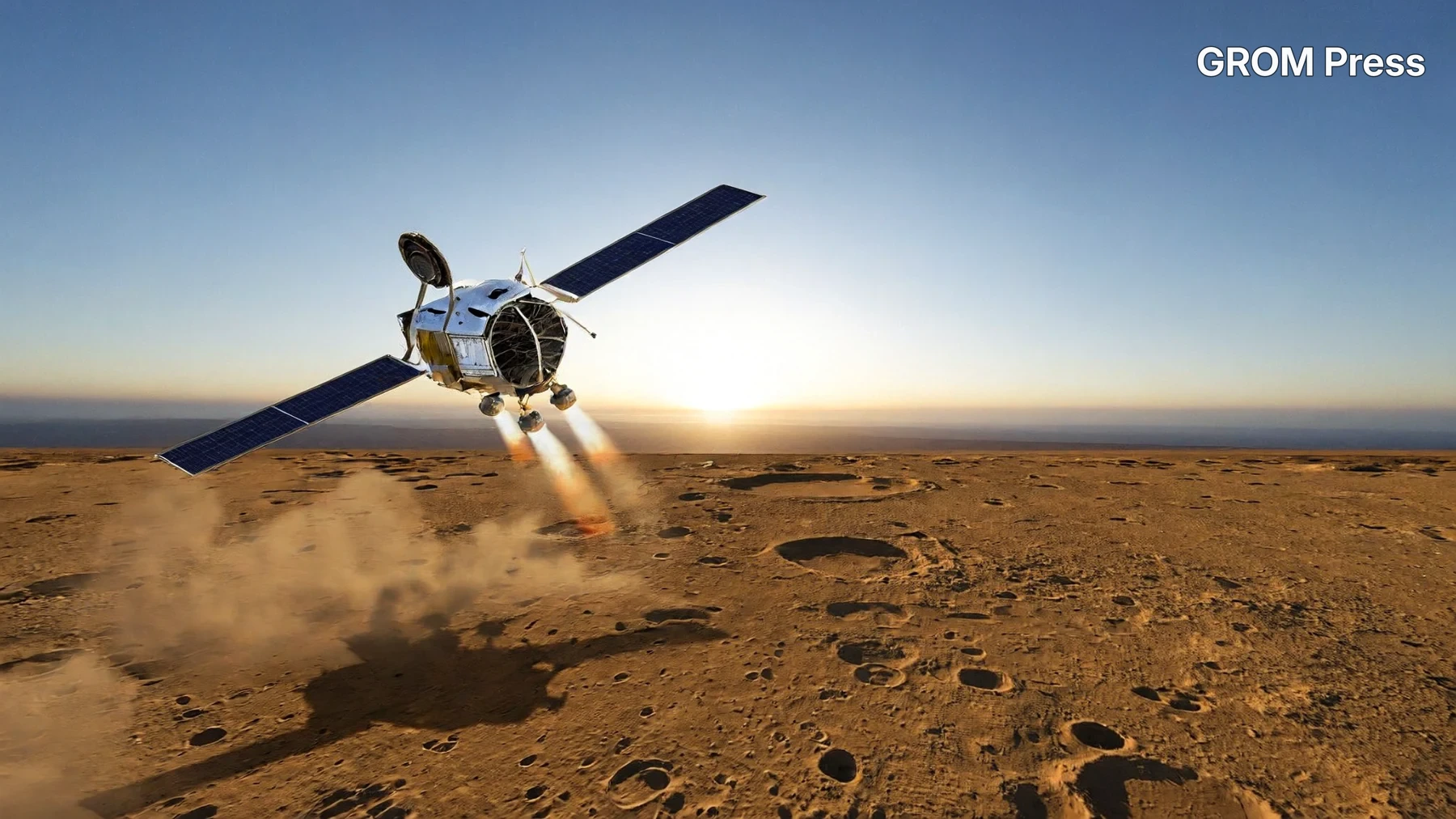
The BepiColombo spacecraft is scheduled to enter orbit around Mercury on 21 November 2026, following an eight-year journey and nine gravity-assist manoeuvres. Full scientific observations will not begin immediately; the spacecraft must first complete additional manoeuvres and separate into two orbiters. The main science programme is set to start in April 2027. The mission will study Mercury's surface, interior, exosphere and magnetic field.

Space

SpaceX Dragon cargo ship leaves ISS and heads for splashdown off California

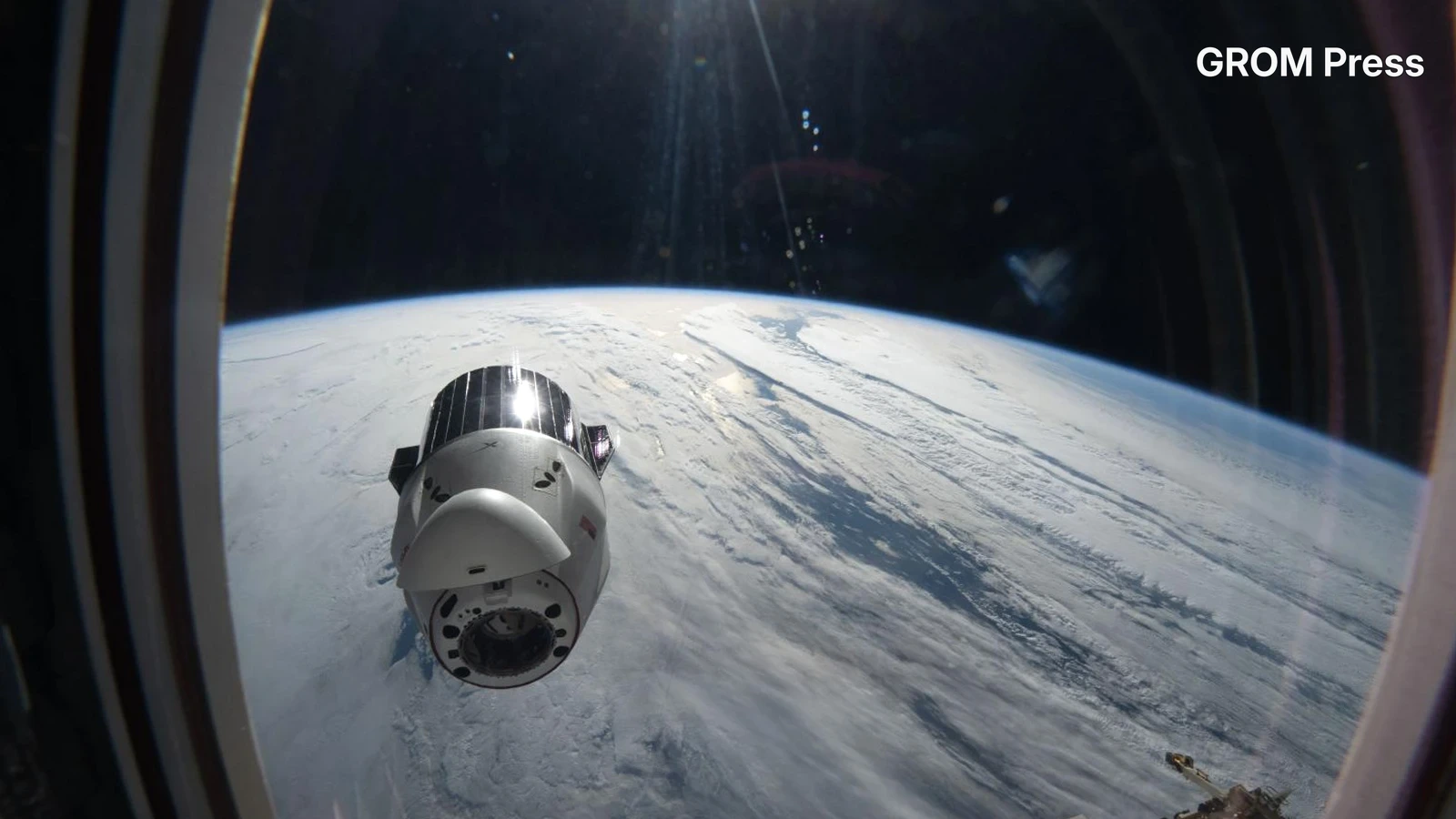
NASA reports that the SpaceX Dragon cargo spacecraft undocked from the International Space Station and is returning to Earth, ending the 35th NASA resupply mission. Splashdown is expected off the coast of California on 21 November. Dragon is the only cargo vehicle that returns cargo from the ISS; other vehicles, including Russian Progress, burn up in the atmosphere.

Space

SpaceX recreated the iconic skyscraper workers photo with Starship team and banana costumes

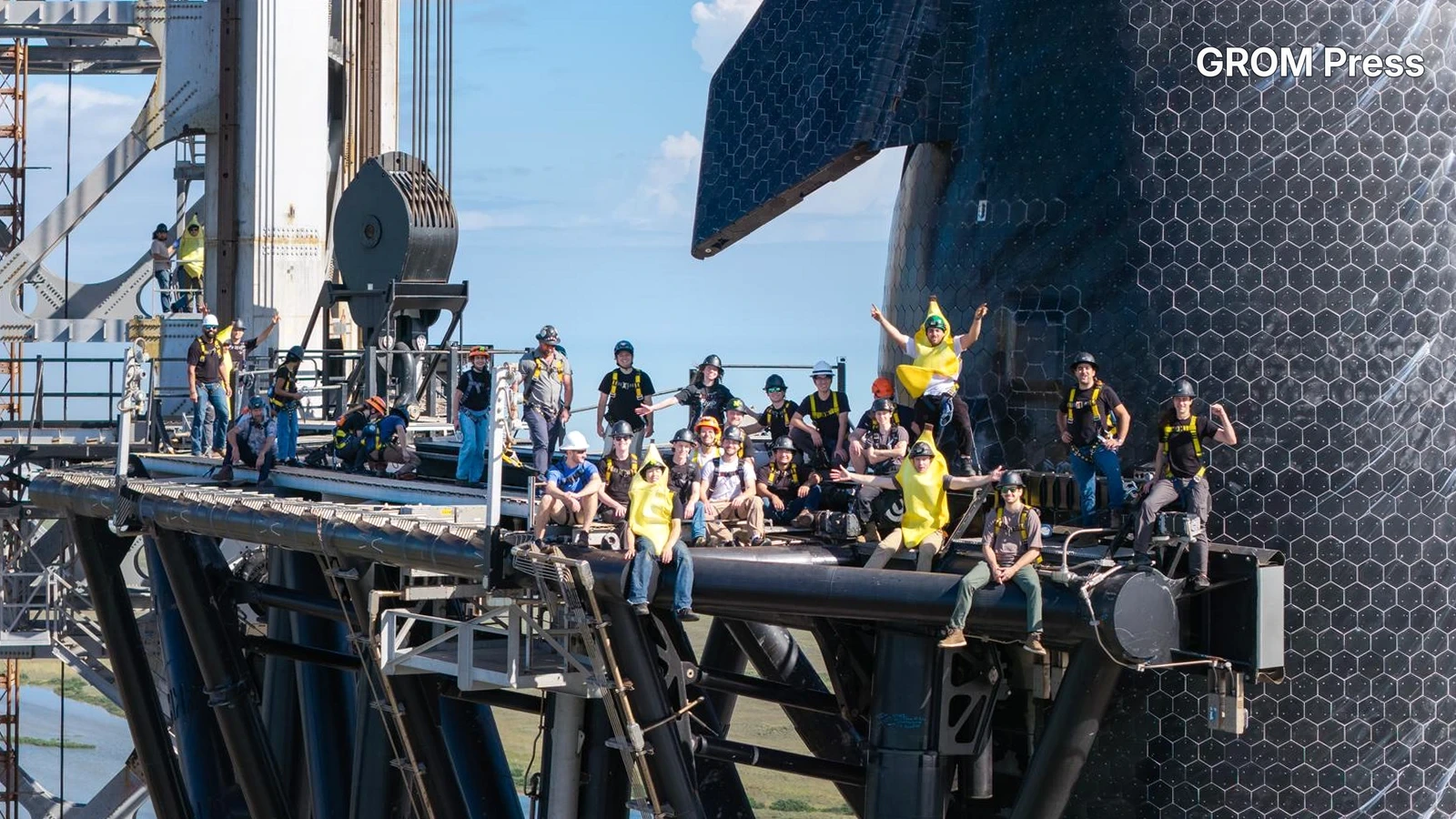
SpaceX published a photo of Starbase employees posing on the metal structures of the Mechazilla launch tower next to a Starship caught by its mechanical arms. The composition references the 1932 photograph Lunch atop a Skyscraper, taken during the construction of Rockefeller Center in New York. Several people in the photo are wearing bright banana costumes, and the Starship with its heat-shield tiles is visible. The company had previously published photos of the production team with Starship 42 before the 15th test flight.

Space

AI system for Argus telescope to process 100 million space alerts per night

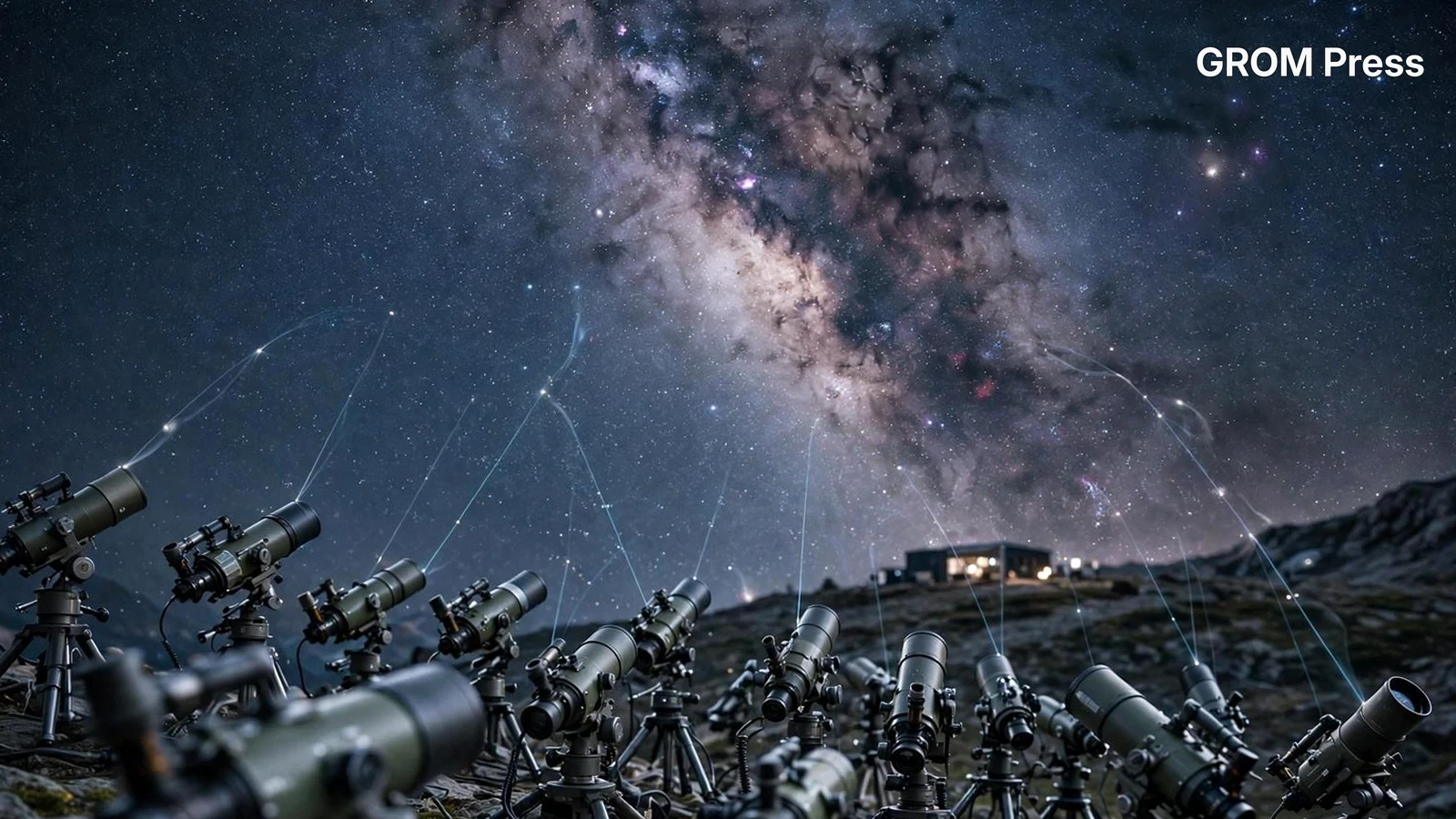
An international team led by the University of Minnesota is developing an AI-based software system for the future Argus Array observatory. It will process up to 100 million astronomical alerts per night, ten times more than the Vera C. Rubin Observatory is expected to generate. The system will evaluate signals within seconds and forward the most interesting events to scientists and other observatories within minutes. A working prototype is planned by the start of Argus Array observations in 2027, and the software will be open source.

Space

NASA Invests $171M in 302 Small Business Projects to Advance Moon and Mars Technologies

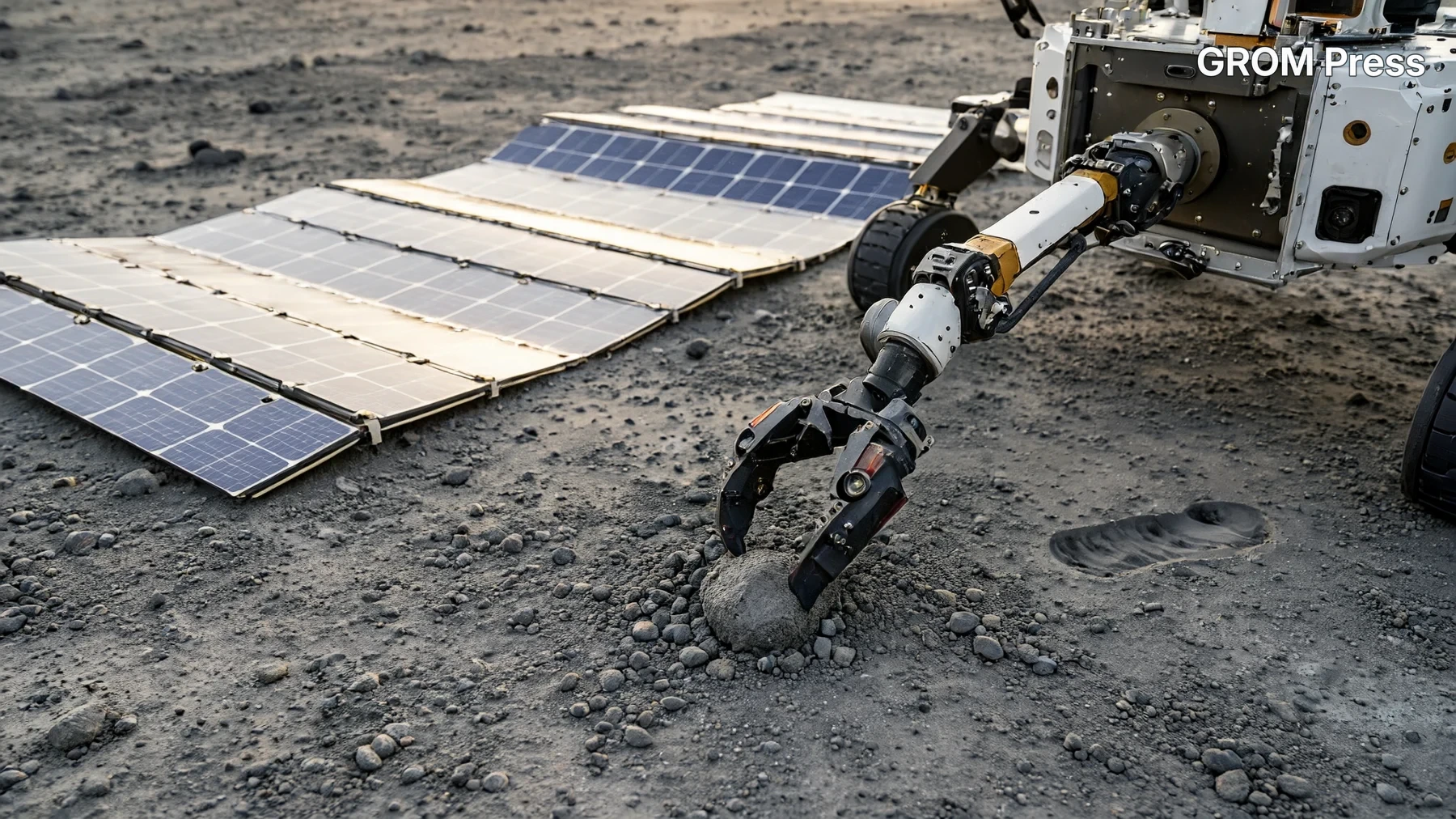
NASA’s Small Business Innovation Research/Technology Transfer (SBIR/STTR) program has awarded seed funding to 302 small businesses, totaling up to $171 million, to develop critical technologies for lunar and Martian exploration. Projects include ultra-cold batteries for lunar nights, robotic arms with tactile vision for autonomous surface tasks, rollable solar arrays for power generation, and regolith stabilization for reusable landing pads. Phase I contracts (up to $225,000 each) validate feasibility, while Phase II contracts (up to $1.3 million each) advance demonstration and delivery.

Space

Curiosity Captures Rare Twilight Clouds Over Gale Crater on Sol 5061

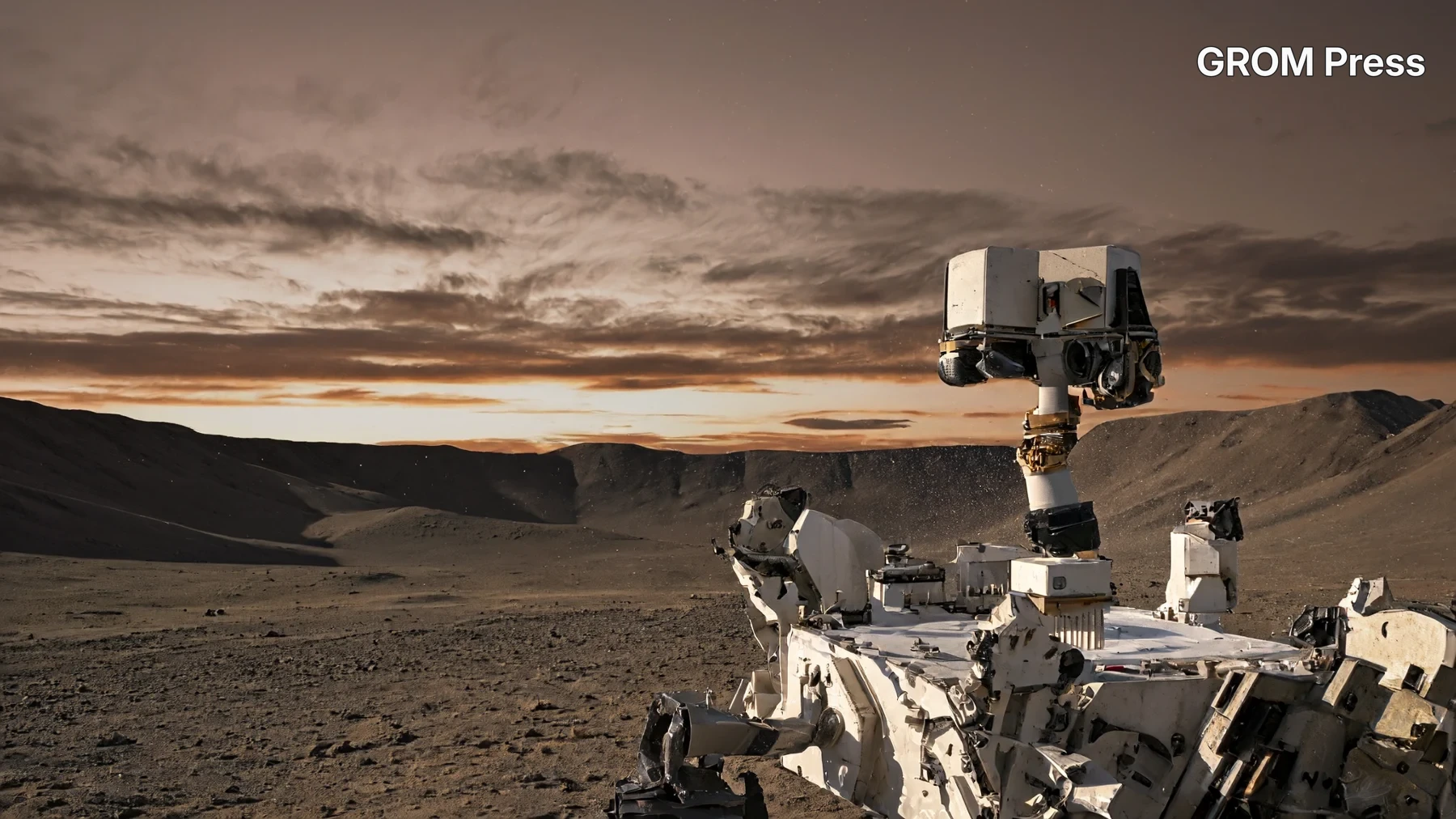
NASA’s Curiosity rover documented drifting twilight clouds over Gale Crater on October 31, 2026, during the 5,061st Martian day of its mission. The images, captured by the rover’s navigation cameras, show ephemeral atmospheric phenomena that appear briefly each Martian autumn. These clouds, visible only for short durations, are a seasonal occurrence in the region. The rover, built by NASA’s Jet Propulsion Laboratory and managed by Caltech, has been exploring Gale Crater for over 14 years.

Space

NASA Tested RS-25 Engine No. 1001 for Artemis IV Mission in 2028

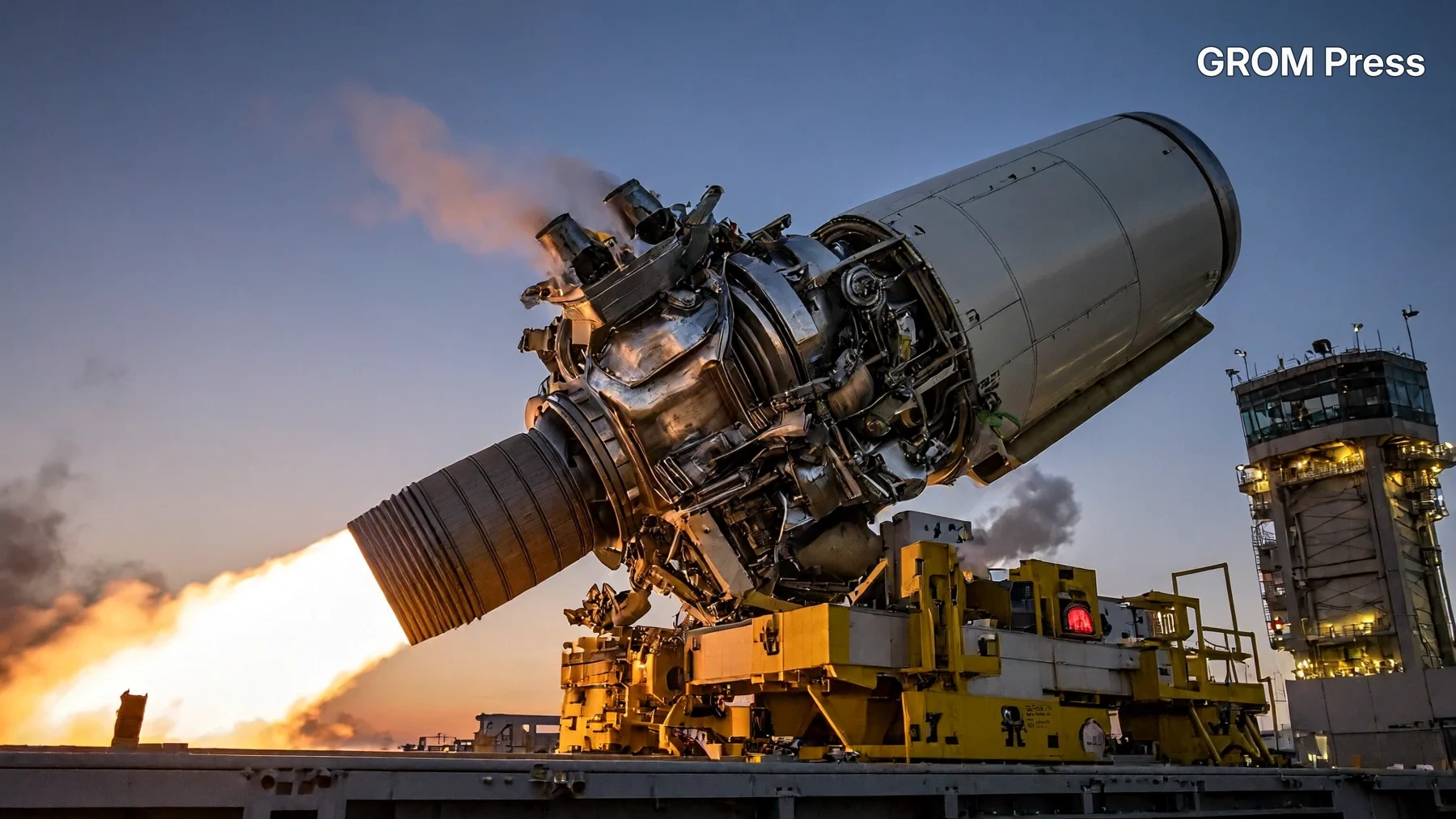
NASA conducted a hot fire test of developmental RS-25 engine No. 10001 on Nov. 18 at Stennis Space Center, firing it for 200 seconds. Though not flight-ready, the test helps refine performance data for future Artemis missions, including the 2028 Artemis IV Moon landing. Four RS-25 engines provide up to 2 million pounds of thrust for the SLS rocket, and all engines are tested at Stennis before flight. The test team included NASA, L3Harris Technologies, and Nova Space Solutions.

Space

Astronaut Captures Stunning View of Lake Pelku from International Space Station

An astronaut aboard the International Space Station photographed Lake Pelku, located near the center of the image, as the station passed over Asia. The ISS serves as a critical vantage point for Earth observation, enabling real-time documentation of natural features and supporting scientific research and disaster response efforts. The image was credited to CSA/Joshua Kutryk.

Space

Voyager 1 Celebrates 1 Light-Day Milestone as Earth Sends Morse Code Message

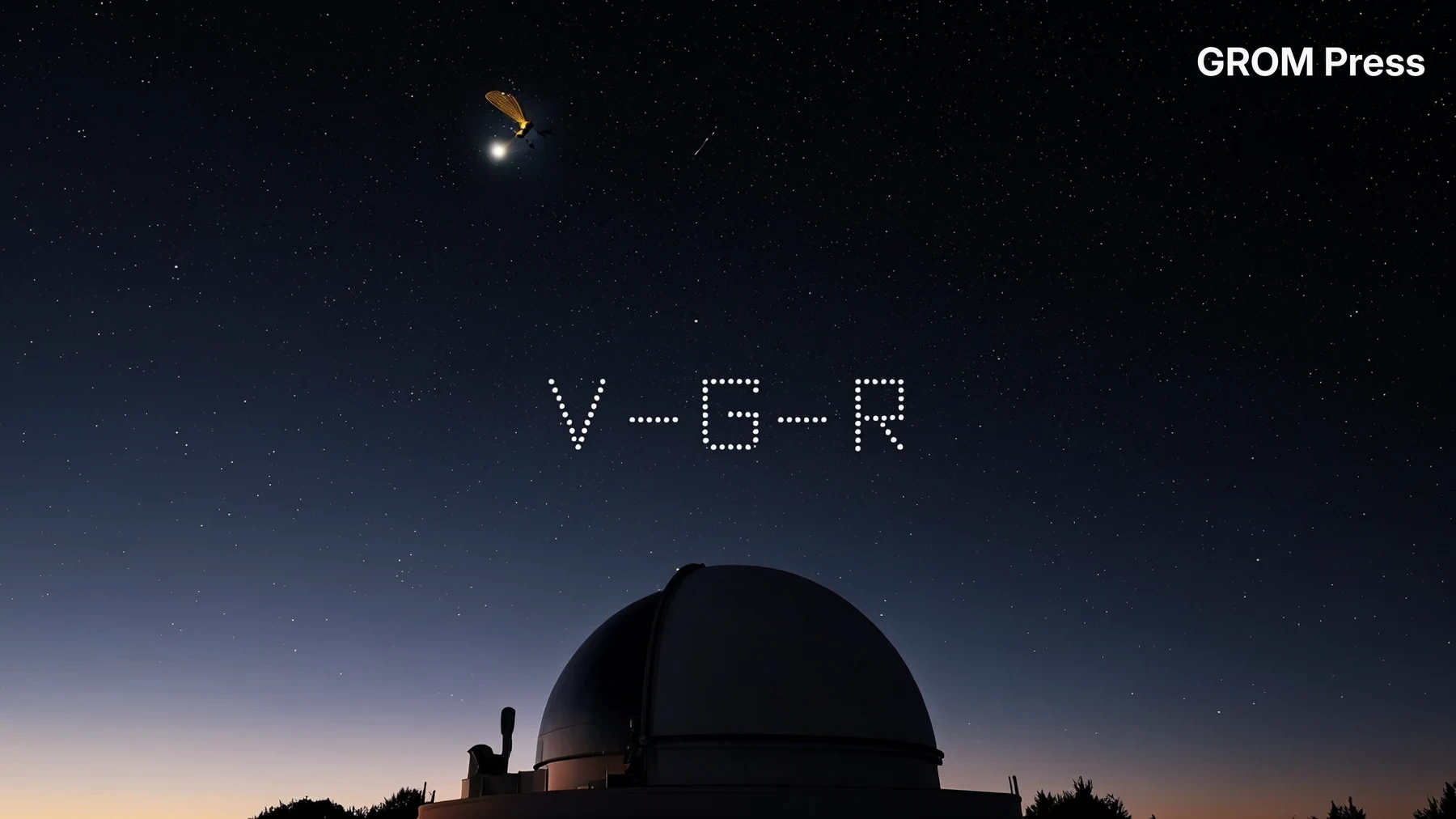
On November 18, 2026, Voyager 1 - humanity’s most distant interstellar spacecraft - officially reached its one light-day distance milestone from Earth, 50 years after launch. The milestone was confirmed by NASA and marked with a Morse code message 'V-G-R' sent via a time-lapse exposure from the Emirates Astronomical Observatory. Traveling at the speed of light, the signal took exactly one day to arrive. At its current pace, Voyager 1 will reach one light-year in approximately 18,250 years. The event highlights the enduring legacy of the Voyager mission and the vast scale of interstellar space.