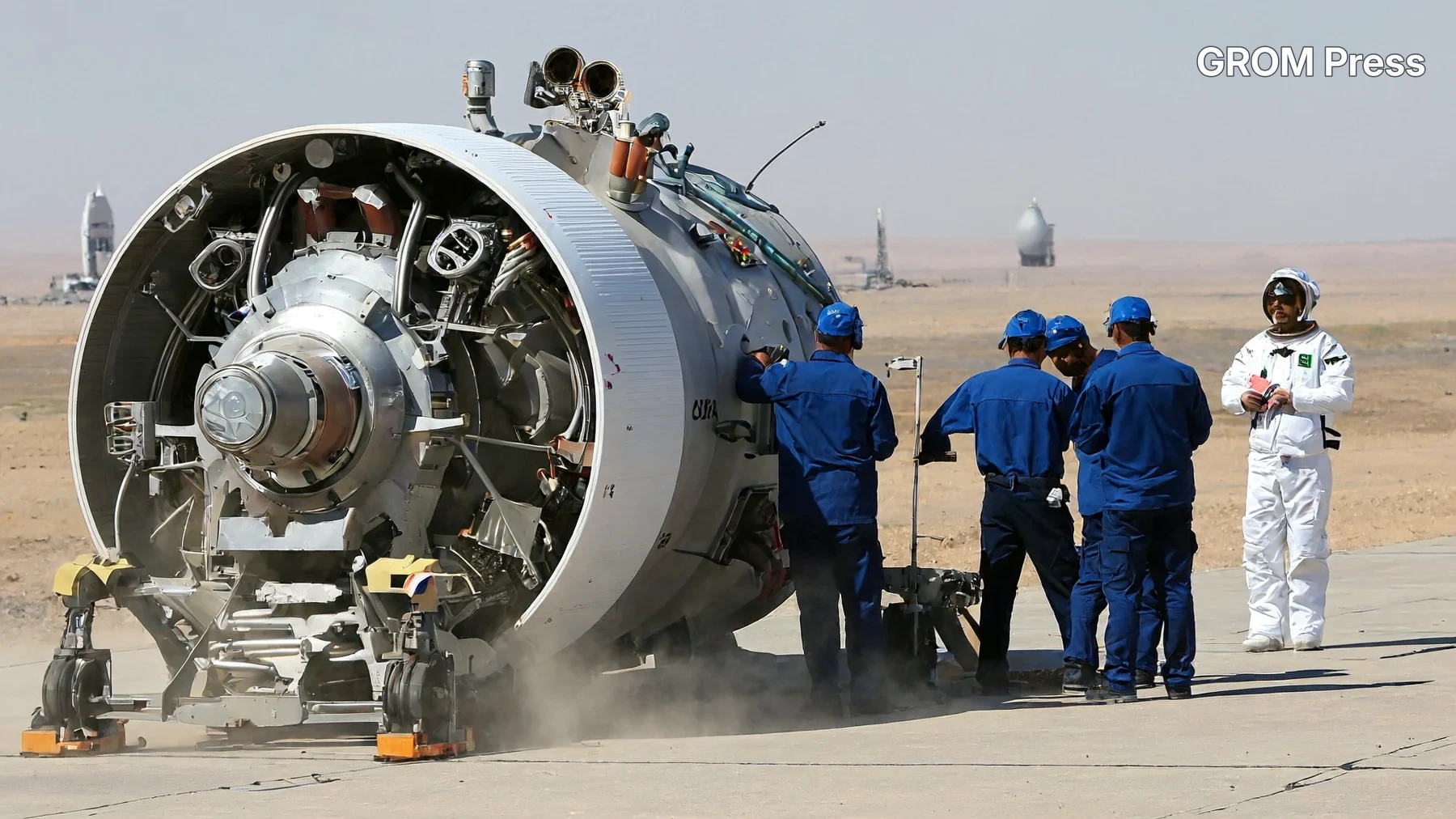
NASA Invests $171M in 302 Small Business Projects to Advance Moon and Mars Technologies
NASA’s Small Business Innovation Research/Technology Transfer (SBIR/STTR) program has awarded seed funding to 302 small businesses, totaling up to $171 million, to develop critical technologies for lunar and Martian exploration. Projects include ultra-cold batteries for lunar nights, robotic arms with tactile vision for autonomous surface tasks, rollable solar arrays for power generation, and regolith stabilization for reusable landing pads. Phase I contracts (up to $225,000 each) validate feasibility, while Phase II contracts (up to $1.3 million each) advance demonstration and delivery.
NASA has allocated up to $171 million in seed funding to 302 small businesses across the United States through its Small Business Innovation Research (SBIR) and Small Business Technology Transfer (STTR) programs. The initiative targets key technological needs for missions to the Moon and Mars, including power systems, robotic autonomy, battery resilience, and surface infrastructure. The awards, announced recently, are part of a broader strategy to stimulate innovation and commercialization within the U.S. space sector.
Phase I contracts, valued at up to $225,000 each, are designed to establish the technical merit and feasibility of proposed innovations. A subset of these awards are STTR contracts, which require collaboration between small businesses and research institutions. Phase II contracts, totaling 98 awards at up to $1.3 million each, continue development from Phase I projects and focus on demonstrating and delivering the technologies.
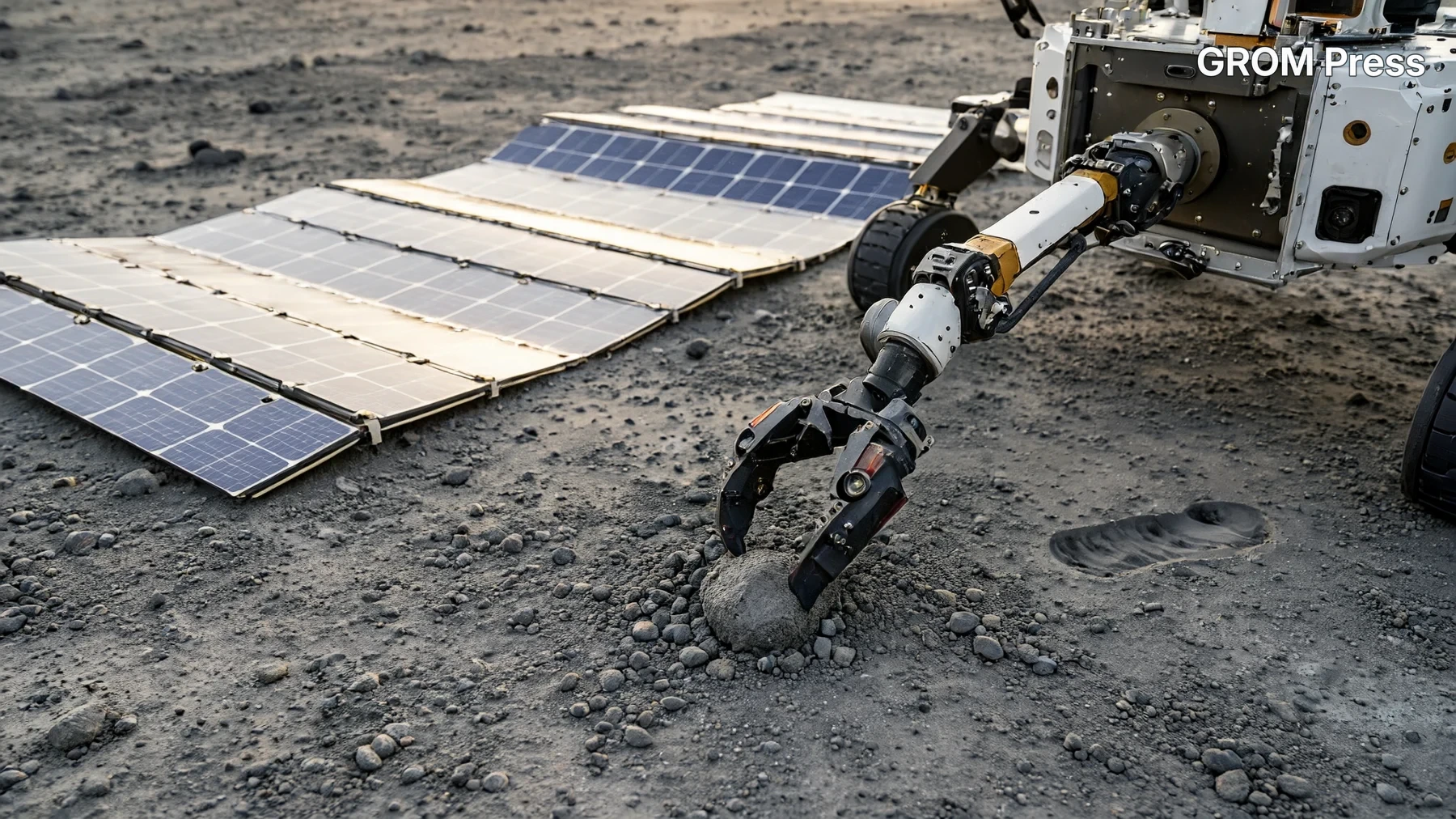
One notable project, led by Opterus Research and Development Inc., aims to develop a modular, rollable solar array system capable of robotic deployment and operation in dusty lunar or Martian environments. The system could be scaled to 50 kilowatts, offering a reliable power solution for NASA and commercial operators building surface infrastructure.
Another Phase I project, by Intelligent Fiber Optic Systems Corporation, is developing a 10-foot robotic arm equipped with vision and tactile sensors. This technology enables lunar rovers to autonomously perform complex tasks such as cleaning solar panels, positioning habitats, and collecting samples from difficult terrain. On Earth, the same system could be applied to inspect and repair hazardous infrastructure like power lines or nuclear facilities.
Elementium Materials Inc. received a Phase I SBIR award to create an ultra-cold-tolerant battery module capable of functioning down to minus 76 degrees Fahrenheit without requiring active heating. This innovation reduces mass and power requirements for space missions, allowing more payload capacity for scientific experiments and equipment during the lunar night.
Slate Geotechnical Consultants Inc., in partnership with the Colorado School of Mines, is exploring methods to stabilize lunar regolith for repeated landings. Without landing pads, rocket landings can dislodge surface material, creating dust clouds or craters that endanger spacecraft and infrastructure. The project seeks to develop repairable, reusable landing pads using rovers.
The SBIR/STTR program, managed by NASA’s Ames Research Center in California, is part of the agency’s Research and Technology Mission Directorate. Complete lists of selected proposals are available on the program’s official website, categorized by Phase and award type. These awards represent a strategic investment in small businesses as key partners in advancing NASA’s long-term exploration goals, while also fostering commercial applications for technologies developed for space.
Source: GROM.PRESS