Scientists simulate stroke in AI to study aphasia and create digital twins of patients
Researchers induced an artificial stroke in a neural network, causing it to lose language abilities. The experiment is being considered as a basis for creating digital twins of aphasia patients.
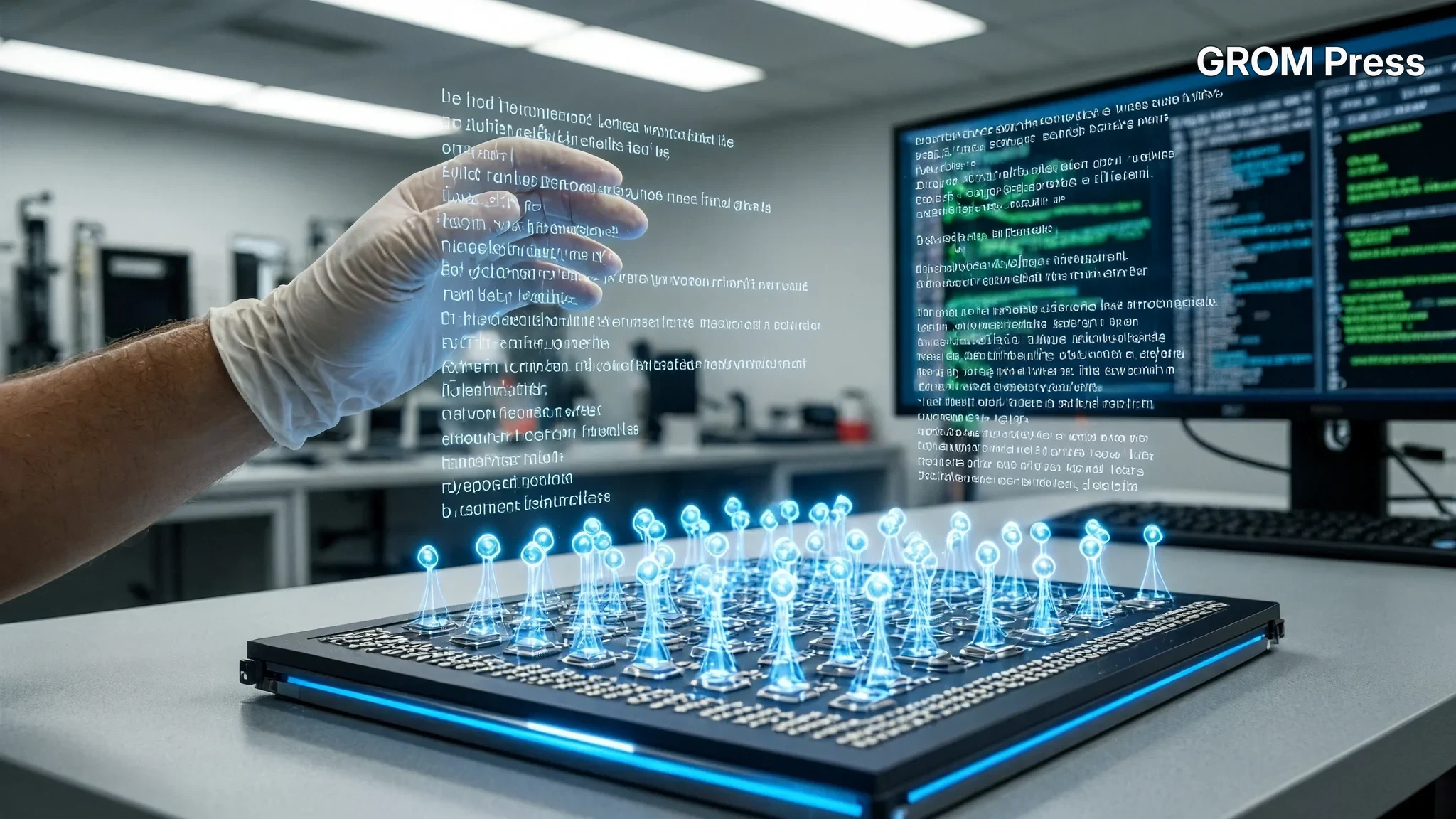
Scientists have simulated a stroke in a neural network, causing the artificial intelligence to begin forgetting how to speak, according to the report. The experiment involved damaging the model's internal connections in a way that mimics the effects of a stroke on the human brain. As a result, the AI started experiencing difficulties with language, resembling symptoms of aphasia, a condition that impairs a person's ability to communicate after brain damage.
The researchers are now considering the creation of digital twins of patients with aphasia based on this approach. Such digital models could be used to study the disease and test rehabilitation methods without risk to real patients. The report does not specify the names of the scientists, their institutions, the date of the experiment, or the exact technical details of how the artificial stroke was induced. It also does not provide information on whether the results have been peer-reviewed or published in a scientific journal.
The significance of the work lies in its potential to improve understanding of aphasia and to develop new treatment strategies. However, the report presents the idea of digital twins as a consideration rather than a confirmed project, and no timeline or funding details were provided.
Source: GROM.PRESS