ANC Struggles to Hold Power in South African Cities After Election Defeat
The African National Congress (ANC), which has ruled South Africa since 1994, faces urgent challenges to secure local government control after suffering its worst electoral performance in decades. Winning only one province and two cities out of eight, the ANC’s vote share dropped from 46% to 31% nationally. While still the largest party, it is now courting smaller parties to form councils, rejecting coalition deals with its longtime rival, the Democratic Alliance (DA), which won majorities in Gauteng’s key cities.
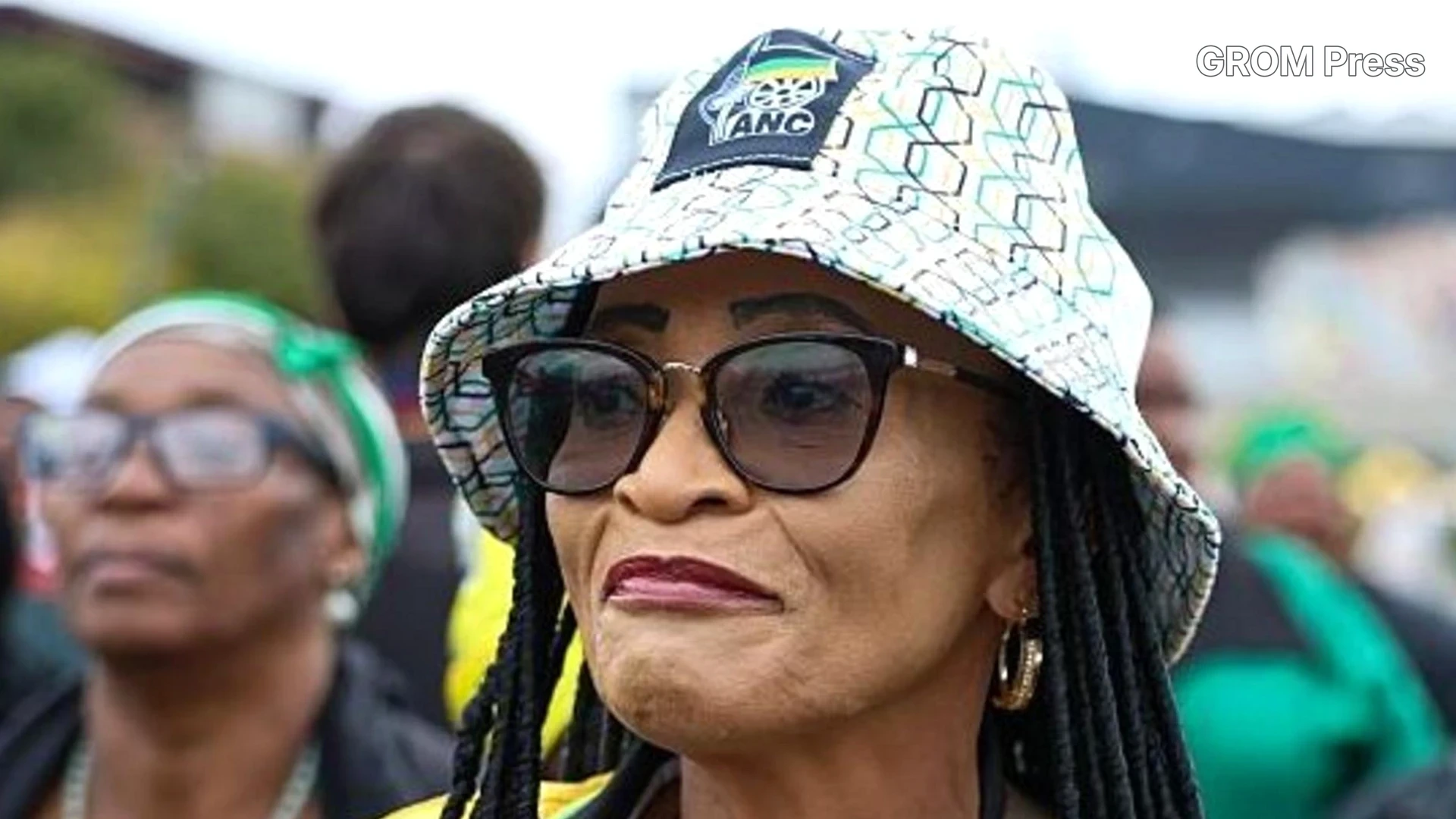
The African National Congress (ANC) is racing against time to secure control of South Africa’s major cities after a dramatic electoral setback in this month’s local elections. The party, which has dominated the country’s political landscape for over 30 years, won a majority in only one province - Limpopo - down from six in the previous election. It also secured the most votes in just two cities, compared to six in 2021. Nationally, the ANC’s vote share fell to 31%, a sharp decline from the 46% it captured in the last local election.
Despite remaining the largest party, the ANC is actively seeking coalition partners to form local councils, rather than replicating its national power-sharing arrangement with the Democratic Alliance (DA). The DA, which secured 25% of the national vote - up from 22% five years ago - took the most votes in Gauteng province, including Johannesburg and Pretoria, and retained control in Cape Town. The ANC’s refusal to form municipal coalitions with the DA, which it views as a last resort, has prompted outreach to smaller parties such as ActionSA, which emerged as the third-largest party in Gauteng with 17%.
The DA, while attempting to form alliances with both the ANC and smaller parties, appears unlikely to gain majority support in Gauteng due to disagreements over mayoral candidates with ActionSA. The ANC’s stance reflects internal discontent with the DA’s dual role as both coalition partner and opposition party, a dynamic that has strained relations since the 2024 formation of the Government of National Unity (GNU). A party insider told the Daily Maverick that a proposal for nationwide municipal coalitions with the DA was “overwhelmingly rejected” at an ANC meeting.
Political analysts, including Andre Duvenhage and Sandile Swana, warn that any attempt by the ANC to exit the GNU could backfire, as coalition governments have historically been unstable and chaotic, particularly since 2016. The ANC’s decline in support is attributed to widespread corruption and a loss of public confidence in its ability to deliver essential services like electricity, water, and sanitation. The DA’s rise is linked to its reputation for competent municipal management, though critics argue it neglects poorer communities.
The experience of power-sharing in South Africa’s cities has often led to governance disruptions, particularly in Gauteng, where instability has plagued all three major cities. Analysts agree that meaningful reform will require more than a single term - Duvenhage estimates it will take a decade to “cleanse and purify” local councils and restore effective municipal governance. The ANC’s current challenge is not just to hold power, but to rebuild public trust in local institutions that have become synonymous with dysfunction.
Source: GROM.PRESS