Disc vs disk: spelling marks the difference between optical and magnetic storage
The article explains that disk with a K generally refers to magnetic storage such as hard drives and floppy disks, while disc with a C refers to optical storage such as CDs, DVDs and Blu-rays. Both store data, but they work differently. SSDs are often called disks despite using NAND flash memory rather than mechanical parts.
Main event
The source explains the distinction between the spellings disk and disc in technology. The key finding is that the two spellings usually refer to different storage technologies rather than being simple regional spelling variants.
Details
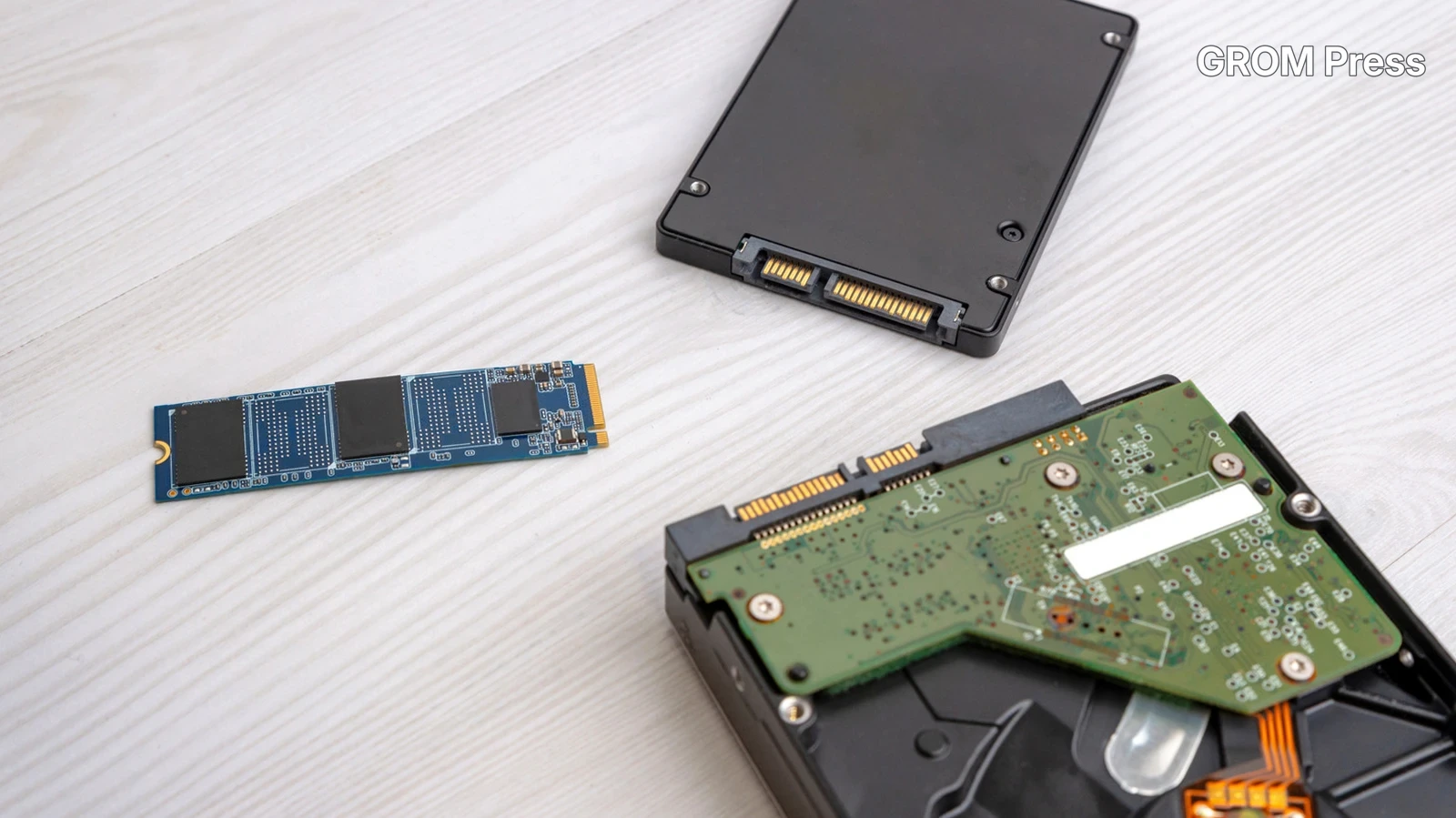
Disk with a K generally refers to magnetic storage. Examples given are older mechanical hard drives and floppy disks. Computers commonly use this spelling for hard drives. Solid-state drives are also identified with the word disk, although they are not technically disks in the traditional sense because most use NAND flash memory instead of moving mechanical parts.
Disc with a C usually refers to optical storage formats. Examples include video game discs, DVDs, Blu-rays and compact discs. A Blu-ray case refers to itself as a disc, and a music CD is called a compact disc rather than a compact disk.
Context
The article notes that the difference is more complicated than a contrast between British and American English. Both disks and discs are designed to store and display data and files, but the way they work is fundamentally different. Using the terms interchangeably is unlikely to cause serious objection, yet they serve distinct functions.
Consequences
The practical consequence is that a person transferring files, downloading from the internet or inserting a floppy disk into an older PC is using a disk. Someone inserting a video game into a console or a DVD into a player is using a disc. The source does not provide data on how often the terms are misused, nor does it quantify any impact on users or industry.
Source: GROM.PRESS