Vibe coding is turning consumer gadgets into hackable hardware
Large language models such as Claude Code and Codex are making it easy for developers and non-developers to modify TVs, cameras, synthesizers, consoles and other devices by prompting AI to rewrite firmware, remove ads, add features or enable cross-platform use. The trend is creating new risks, including bricked devices and voided warranties, while manufacturers respond with tighter locks, DRM and legal threats. At the same time, some companies are embracing hackers with open-source firmware and ESP32-based devices designed for customization.
The main event is the spread of vibe hacking, in which people use large language models to modify consumer hardware by prompting AI coding tools. The trend gained momentum after Claude Code had what the author describes as an “oh my gosh it works” moment in late 2025, and continued through 2026 as more people pointed AI at their devices.
One example is a developer in India known as Gathin T. He used Claude Code to modify a Xiaomi Android TV, removing onscreen ads, simplifying the interface and making it easier to switch inputs. He said the process took about an hour and a half after he enabled USB debugging and adjusted permissions. Gathin then released CleanYourTV, which became a popular GitHub repository with thousands of pull requests and feature ideas. He noted that this approach works easily mainly on Android-based TVs, while other operating systems require more explicit jailbreaking and rooting.
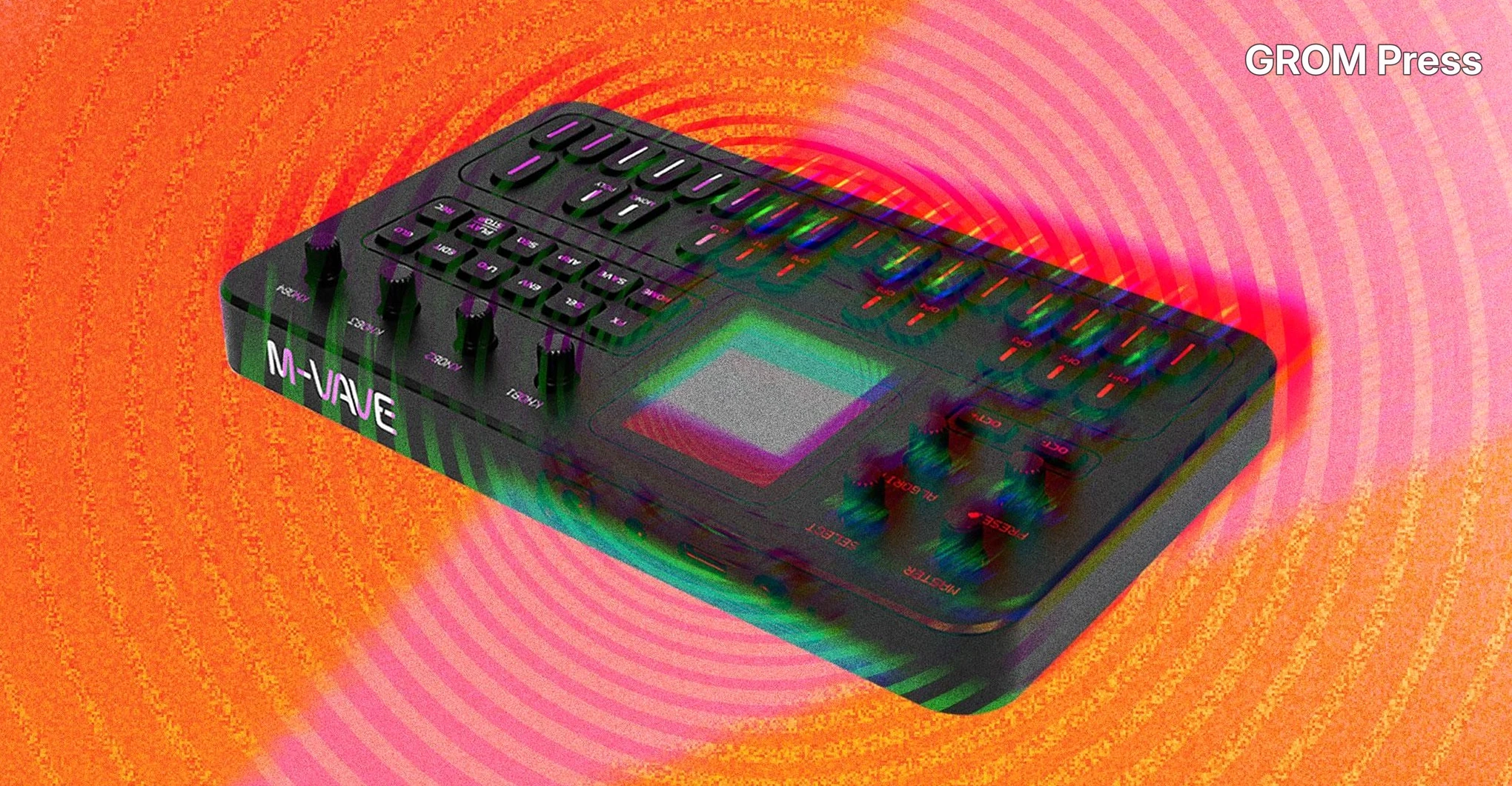
Camera enthusiasts are using AI to repackage camera software, add recording capabilities, support higher resolutions and create new color profiles. Music hobbyists are modifying inexpensive synthesizers, including the M-Vave FM-1, which has become a popular target for custom firmware. M-Vave released open-source firmware for the device, while other companies have tried to keep hackers out.
Gamers are using LLMs to decompile and mod games and consoles. One vibe coder reportedly found a way to play PlayStation 2 discs on a PlayStation 5, and others have built scripts to use preferred controllers on different devices. Luke Dicken, formerly Take-Two’s head of artificial intelligence, told Kotaku that the industry may respond with more invasive DRM, platform-level solutions and a push toward streaming, because streamed games cannot be decompiled in the same way. He also predicted that hardware makers will lock down systems further and that companies will pursue legal action to protect intellectual property.
The author warns that installing vibe-coded firmware takes users outside manufacturer support. Ritchie Roesch wrote at Fuji X Weekly that camera failure is not a question of if but when and how many, and whether it will be the user’s device. Vibe hacking an existing gadget practically always voids the warranty, and customer support or refunds cannot be relied upon.
ESP32 modules are emerging as a safer alternative for hackers. These inexpensive networking and microcontroller packages are being used to build dedicated devices such as e-paper screens, sea-condition monitors, DJ-system displays and portable gaming devices. Meta is promoting ESP32-based hardware through its Muse Charm and Muse Gadgets program, offering packaged modules or tools to use personal modules for dedicated AI devices. Espressif, creator of the ESP chip, also launched ESP-Claw, a development system intended to simplify ESP programming.
Gathin has adapted CleanYourTV to reduce risk. The system backs up TV software before changes, logs every modification, checks progress during installation and uses agents to manually test for problems. He still advises never giving bots access to anything the user cannot afford to lose and recommends testing in a sandbox environment, such as an external Linux computer, before touching phones or computers.
Source: GROM.PRESS