Rosatom says Russia could reach industrial fusion power in the 2050s if it decides to build its own tokamak
Rosatom Director General Alexey Likhachev said Russia’s technical design for a tokamak with reactor technologies is complete and key cryogenic components have been manufactured. A physical launch could occur in the next decade, with industrial fusion energy possible in the 2050s, provided a decision is made to build the reactor-technology installation. Russia remains part of the ITER project, whose founding agreement was signed on 21 November 2006.
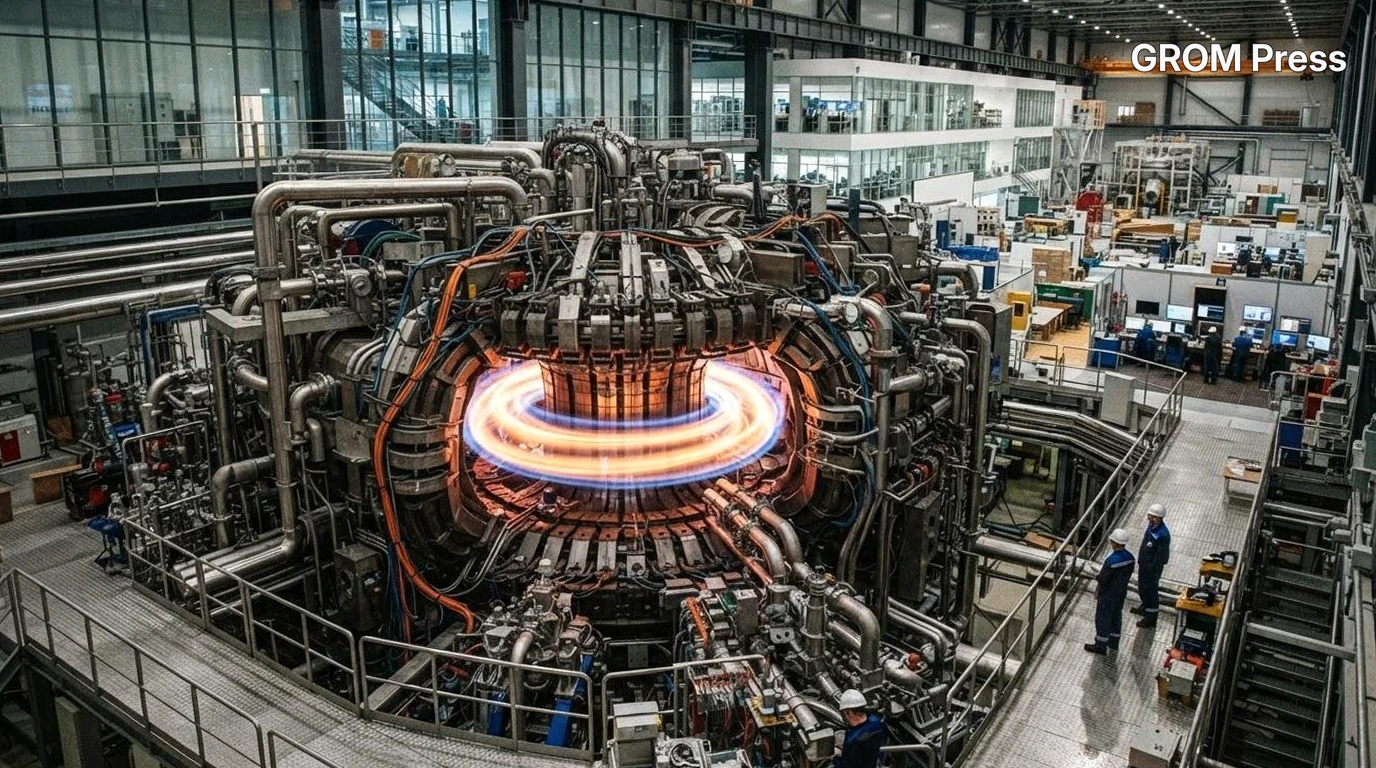
Rosatom Director General Alexey Likhachev said Russia could move to industrial use of nuclear fusion as an energy source in the 2050s, provided the country decides to build its own tokamak with reactor technologies. He made the statement in an address marking the 20th anniversary of the international ITER project.
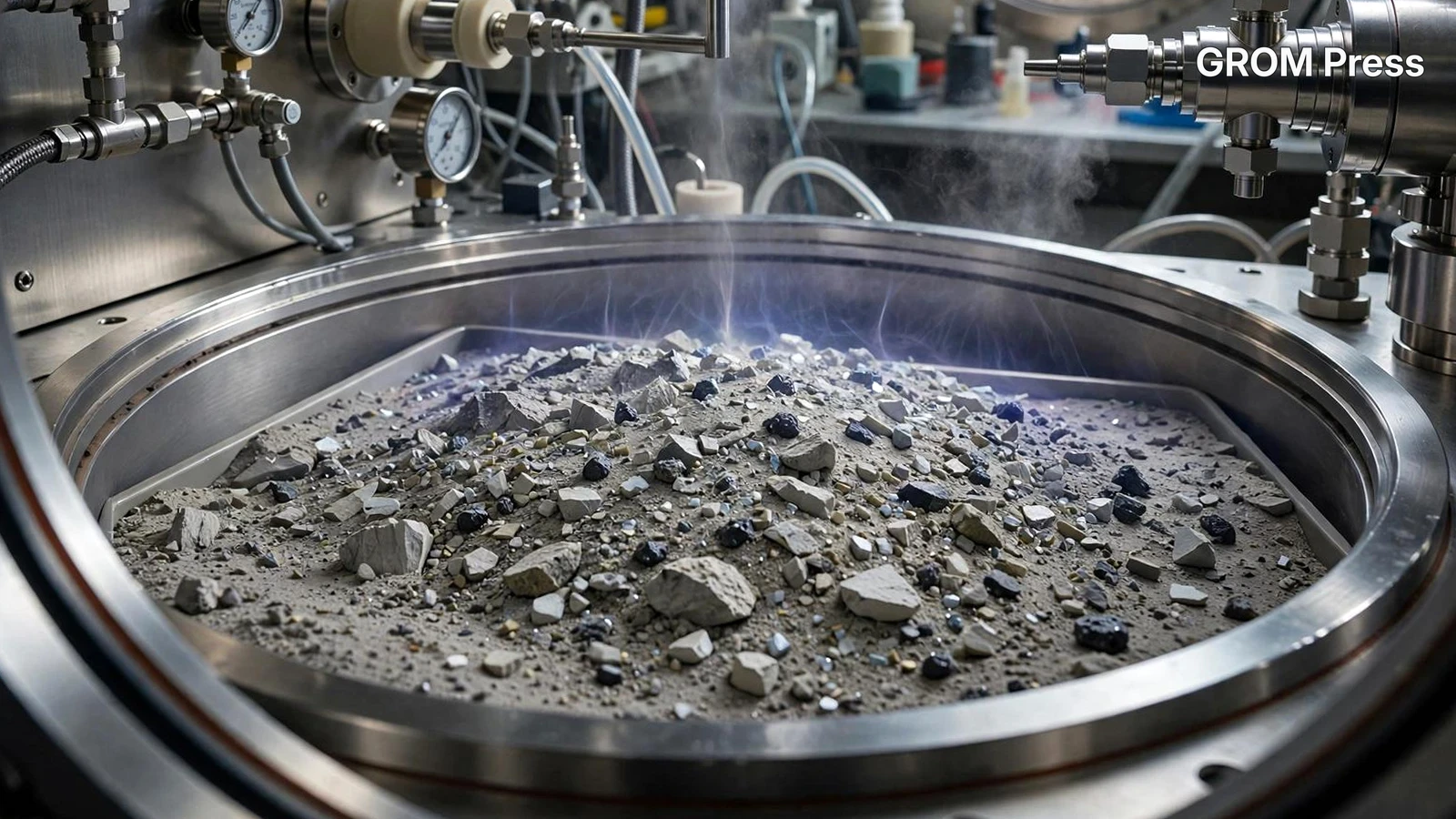
Likhachev said Russia’s national project “New Atomic and Energy Technologies” includes the development of a domestic tokamak with reactor technologies. According to him, the technical design of the tokamak has already been completed, and key elements of the cryogenic complex have been manufactured. In Troitsk, researchers are studying ways to create a lithium shield for the first wall of the installation, which must withstand extreme temperatures during plasma operation.
According to the roadmap, the physical launch of the tokamak could take place in the next decade. If a decision to build an installation with reactor technologies is taken after that, industrial application of nuclear fusion could become a reality in the 2050s.
Likhachev separately emphasized that Russia continues to participate in the ITER project despite political tensions. The agreement establishing the organization was signed on 21 November 2006 by seven participants, including Russia. The project’s goal is to experimentally confirm the possibility of obtaining energy through controlled nuclear fusion. Rosatom believes that developments and technologies accumulated within ITER will help in creating the domestic tokamak.
The statement about the 2050s timeline is an assessment tied to a future construction decision, not a confirmed schedule. The physical launch date for the next decade is presented as a roadmap possibility rather than a fixed commitment.
Source: GROM.PRESS